Press Technology in Marine Applications: Improving Safety, Speed and Cost Efficiency

The marine industry across defense and commercial sectors requires piping systems that deliver high performance, safety and efficiency. Press connect technology, especially Viega press fittings, is gaining traction in shipbuilding and retrofit projects. NAVSEA (NAV-C), approved, these fittings support faster installation, reliability and the evolving needs of naval and commercial vessel construction.
What are Press Connect Fittings?

NAVSEA to Commercial: Expanding Across the Industry
Receiving NAVSEA approval was a critical milestone. It confirmed that Viega press technology meets strict military specifications and is suitable for use in mission-critical environments. This approval also supports broader acceptance among commercial shipbuilders and operators, where reliability and installation efficiency are equally essential. The latest NAVSEA approval was for PCFs that can be used on U.S. Navy aircraft carriers. Viega was previously granted NAVSEA approval for its MegaPress® CuNi fittings in ½" to 2" sizes.
To obtain this approval, the Navy evaluated all the tests Viega had ever conducted for its commercial applications and added 15 tests on PCFs that were more rigorous than those Viega had already qualified for and passed. Some of the additional tests included shock, vibration, tension, flexure fatigue and burst tests. All of these tests subjected Viega’s fittings to the upper limits of stress and fatigue.
Key Benefits of Press Technology in Marine Settings
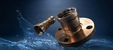
Viega’s systems incorporate key features that are desirable for shipbuilding. They provide consistent, reliable connections in a fraction of the time while eliminating hot work. Some key benefits include:
Improved Safety Standards
Press fittings require no flame, reducing fire risk and eliminating the need for hot work permits. This is especially important in shipboard environments, where confined spaces and sensitive equipment make traditional joining methods more hazardous.
Faster Installations
Time trials conducted in collaboration with NAVSEA demonstrate significant installation time savings compared to welding or threading. A PCF can be installed by a single person and reduces the rate of rework on a project. In high-volume shipyard operations or during maintenance windows, this allows crews to complete work faster and return assets to service more quickly.
Cost Efficiency
In addition to labor and time savings, press systems reduce overall costs by minimizing rework, reducing safety-related overhead and extending system longevity. The total installed cost is often lower compared to traditional methods. Additionally, the training time needed is minimal and does not require personnel to possess trade skills to learn the PCF installation procedure.
Applications in Defense and Commercial Shipbuilding
Press technology is already in use with several commercial shipbuilding partners, offering flexibility and compatibility across various mechanical systems. The NAVSEA approval covers 15 systems where Viega press connect fittings (PCFs) can be used, including:
- Potable Water (MegaPress CuNi is a lead-free alternative for Potable Water in the Navy)
- Electronic Freshwater Cooling
- Chilled Water
- Seawater-Washdown Countermeasure System (which covers the sprinkling system for the complete exterior of the hull)
- AFFF (Aqueous Film Forming Foam) used to battle hydrocarbon fires (fuels and oils)
In the defense sector, the same systems benefit from faster retrofitting during dry dock periods and safer installation in active-duty settings. As the marine industry looks to modernize its mechanical systems, press connect technology offers a safer, faster and more cost-effective solution. With NAVSEA approval secured and growing interest from commercial shipbuilders, the adoption of Viega press fittings is expanding and bringing long-term benefits to both defense and civilian fleets.
To download the most recent NAVSEA approval letter, click here.
For more information, please visit viega.us/marine.